
A lot of coffee is grown in Bali. When you travel to Ubud and other northern places, you will encounter many of them. The best-known coffee varieties grown in Bali are 'kopi Bali' and the world-famous 'kopi Luwak'. But not only coffee is often grown on a coffee plantation. Visiting a coffee plantation is a very fun and educational activity, but there is a sidenote. Read below everything you need to know about visiting a coffee plantation in Bali.
Coffee plantation in Bali
Most coffee plantations in Bali belong to a specific village. Most of the people from the village work on the coffee plantation. Either to harvest coffee, or in the processing process or to show tourists around. On these coffee plantations they grow different types of coffee, including 'cup Bali': the most "standard" coffee in Bali. But other varieties of Indonesian coffee and the most famous type: Luwak coffee, are also often grown here.
Want to make the most of your time in Bali? With our Google Maps guide you'll always have our favourite day trips at hand. Or check out our complete overview of Bali destinations if you're still figuring out which regions to visit.
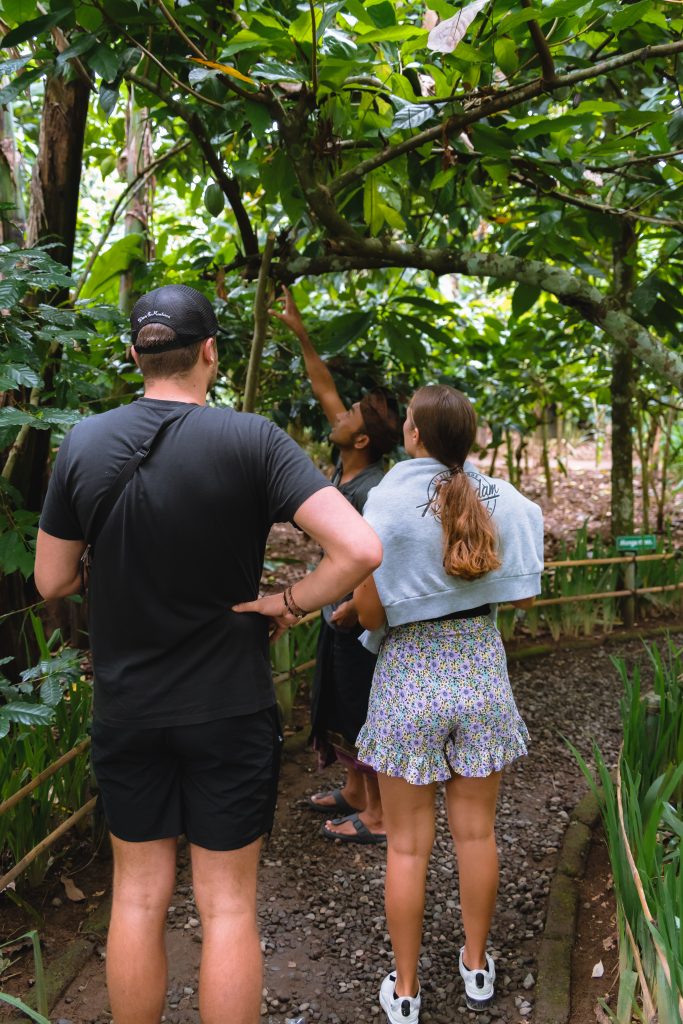
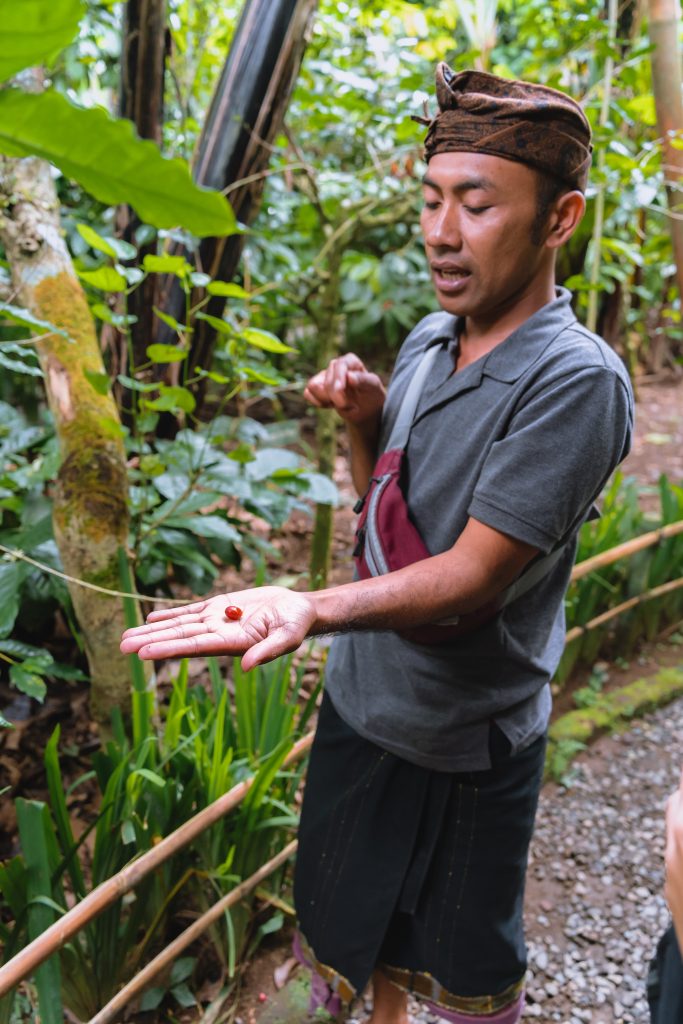
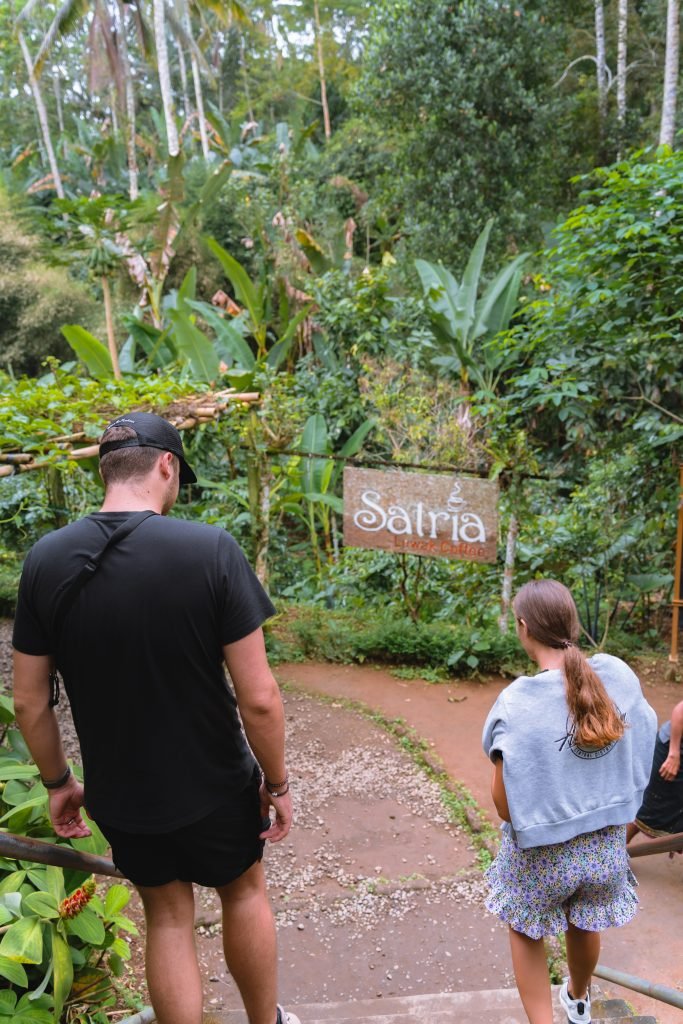
Not just coffee
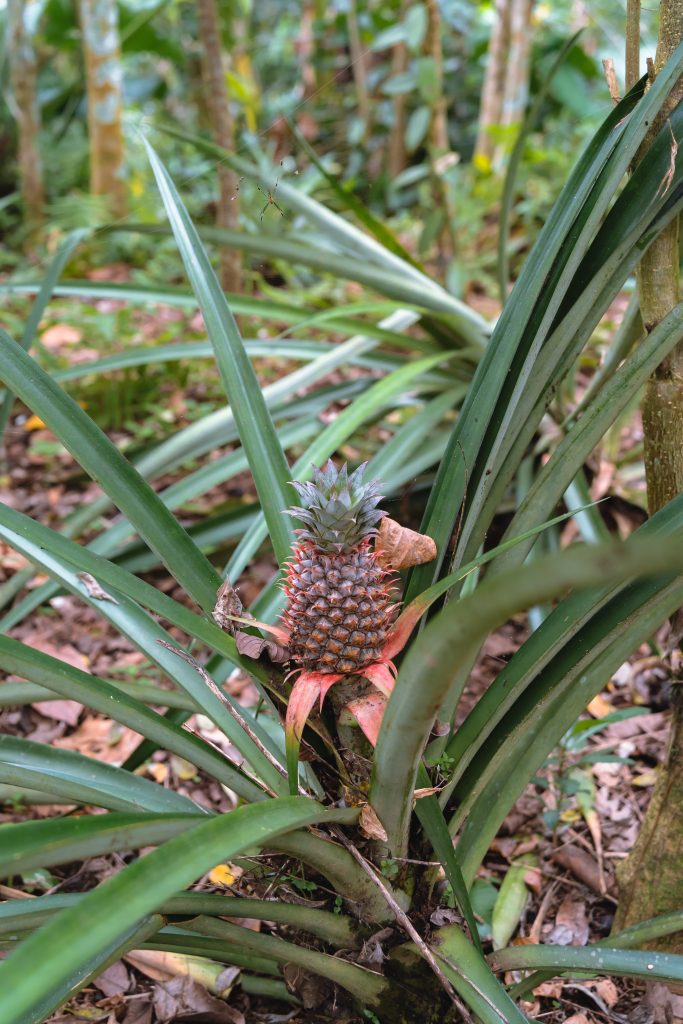
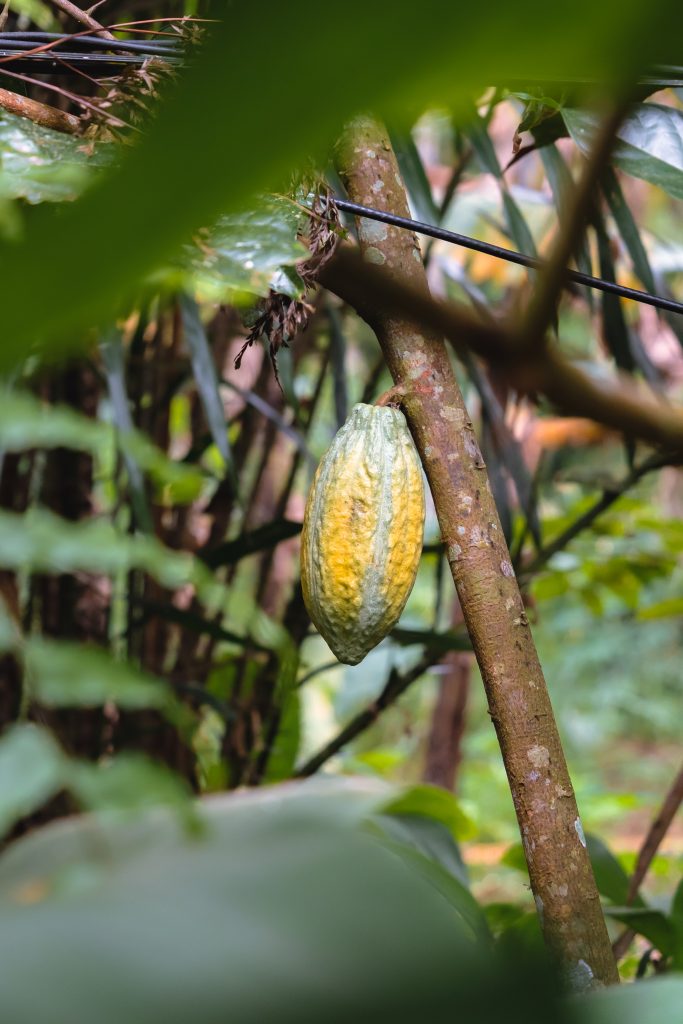
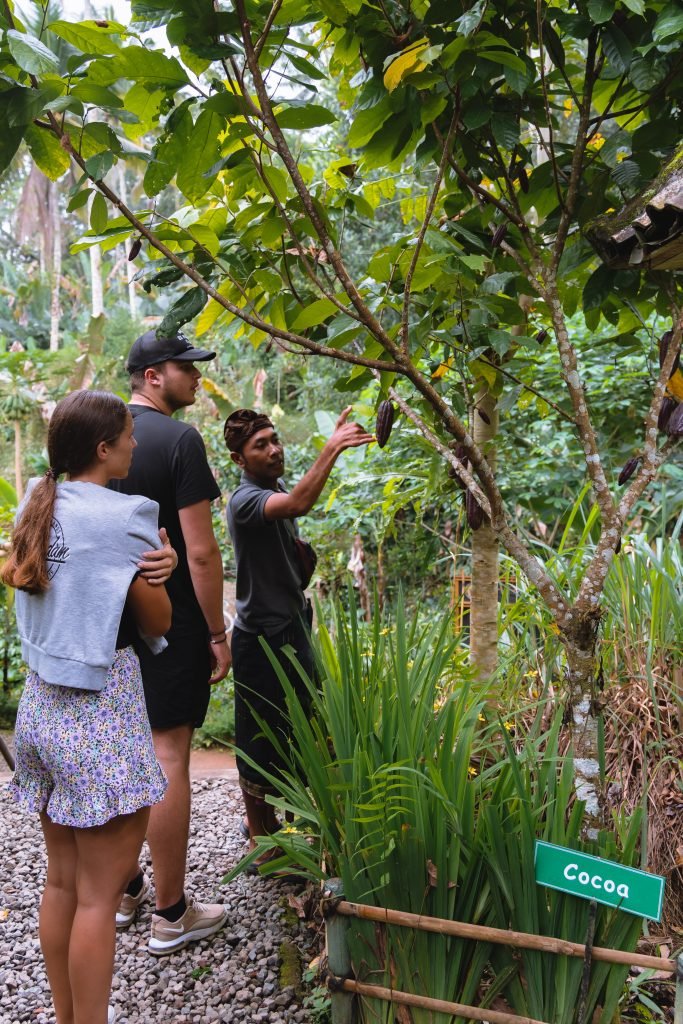
In addition to coffee, more is often grown on a coffee plantation. All kinds of fruits also grow there, such as papayas and pineapples. Another popular species to grow are spices, they often have black pepper plants, but also lemon grass. They also often grow ginger, cassava and various types of cocoa. Because of all the different types of products that grow on the coffee plantation, there is a lot to see and learn about these varieties.
The coffee process
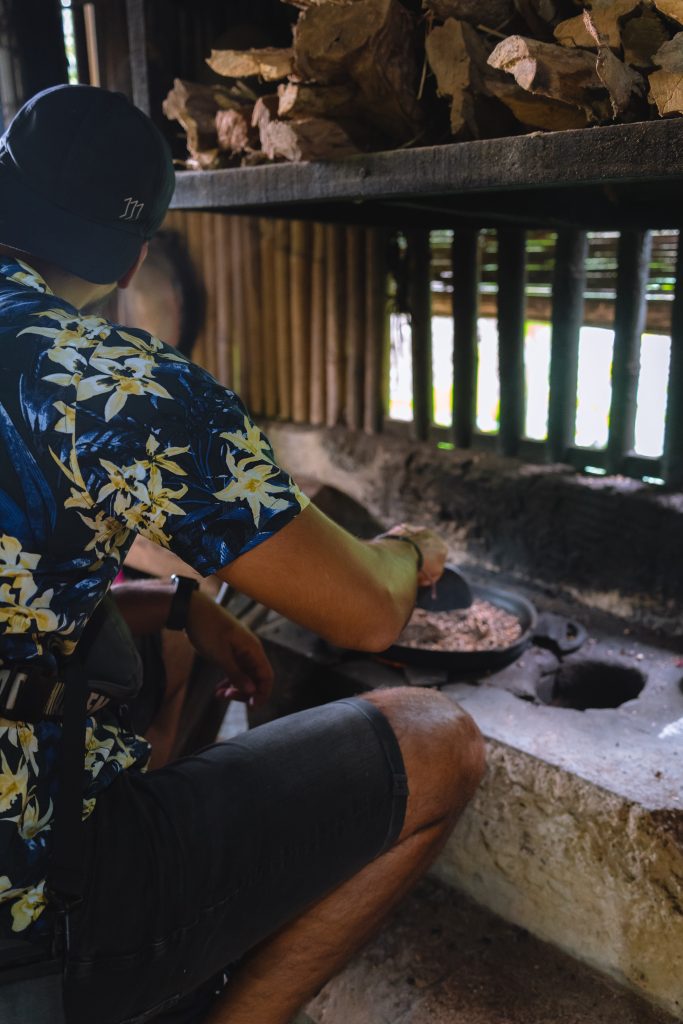
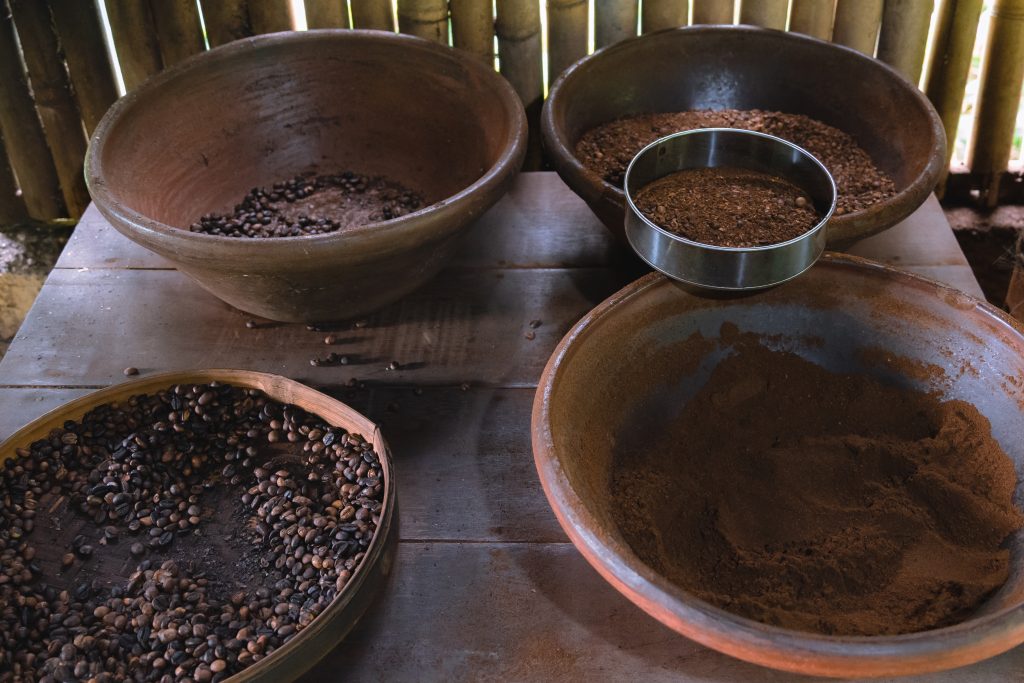
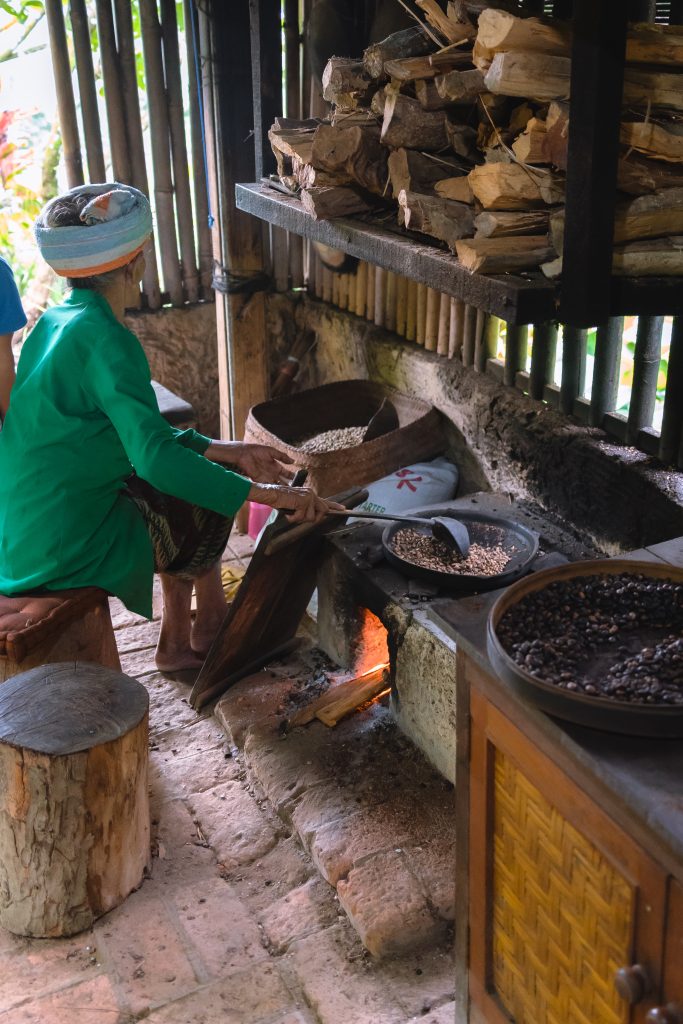
After you have been able to admire all types of trees and shrubs during a tour, it is time for an explanation of the further process. Because how does the raw coffee bean get its delicious taste and smell? Once the beans are harvested, they are removed from the shell and dried in the sun. When the beans are dry, they are roasted. On average, the beans are roasted in a large bowl on the fire for about 45 minutes, to give the beans their dark color and good taste. The roasted beans are then ground into powder in a large mortar. The last step of the process is to strain the coffee, so that it becomes a nice, smooth powder.
Time to taste
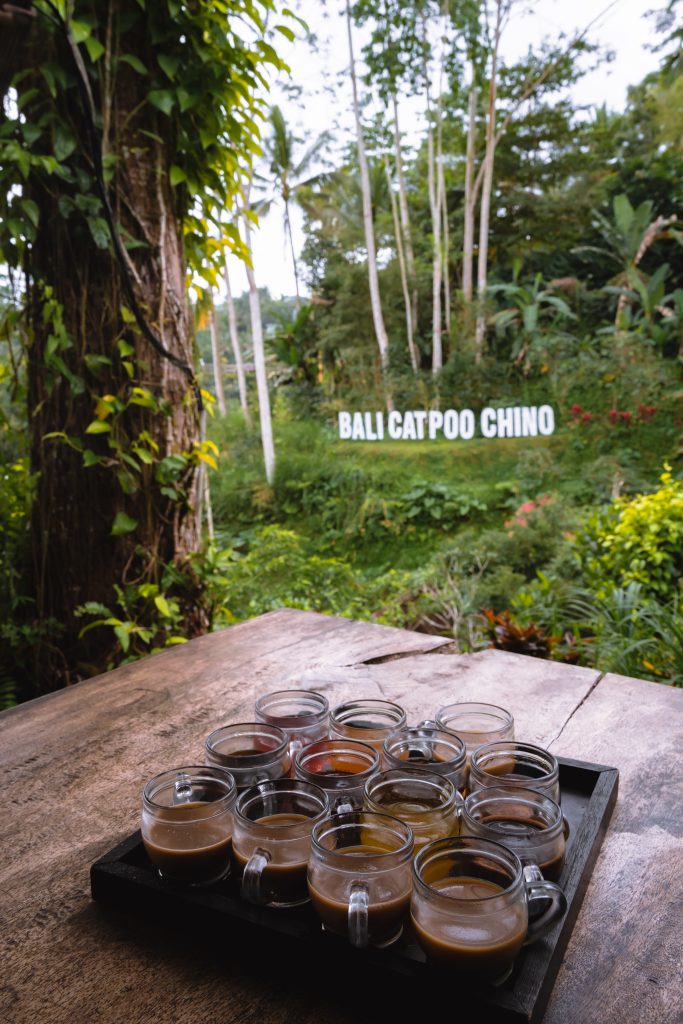
After you have been exposed to the entire process and have been able to help here and there, it is time to taste everything. You often get a free tasting platter, with about 10 to 15 different flavors. You not only get coffee, but also chocolate milk and different types of tea. For example, there is avocado coffee, kopi Bali, but also many types of tea with fruit flavors. You always pay a little extra to taste a cup of Luwak coffee.
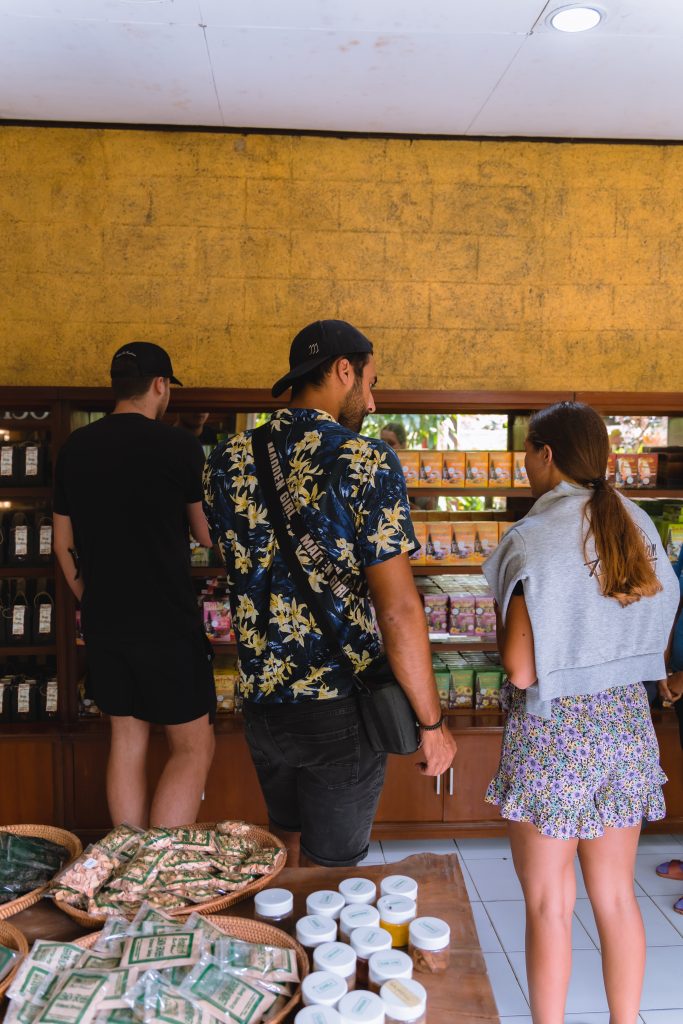
At the end of the tour you will of course end up in the shop, where you can buy all the types of drinks you just tasted. Depending on what it is, the prices can vary quite a bit, but it is not very cheap. Sometimes the tours and tasting at coffee plantations in Bali are completely free, in which case it is kind to bring something with you from the store.
Kopi Luwak: to buy or not to buy?
Luwak coffee is the most expensive coffee in the world and comes from Bali. The Luwak cats eat coffee beans and then poop them out whole. The beans are removed from the poop and then go through the same process as with normal coffee beans. We were guided by a local man to the coffee plantation that belonged to his village. Here they also made Luwak coffee. On this plantation they put two animals in a cage for visitors to admire. He indicated that the animals are regularly released and the coffee beans and feces come from wild Luwak. Still, we thought the two Luwak cats in the cages looked pitiful. If we had done more research in advance about the suffering these animals often undergo, we probably would not have visited this coffee plantation in Bali, but certainly not would have bought the coffee.
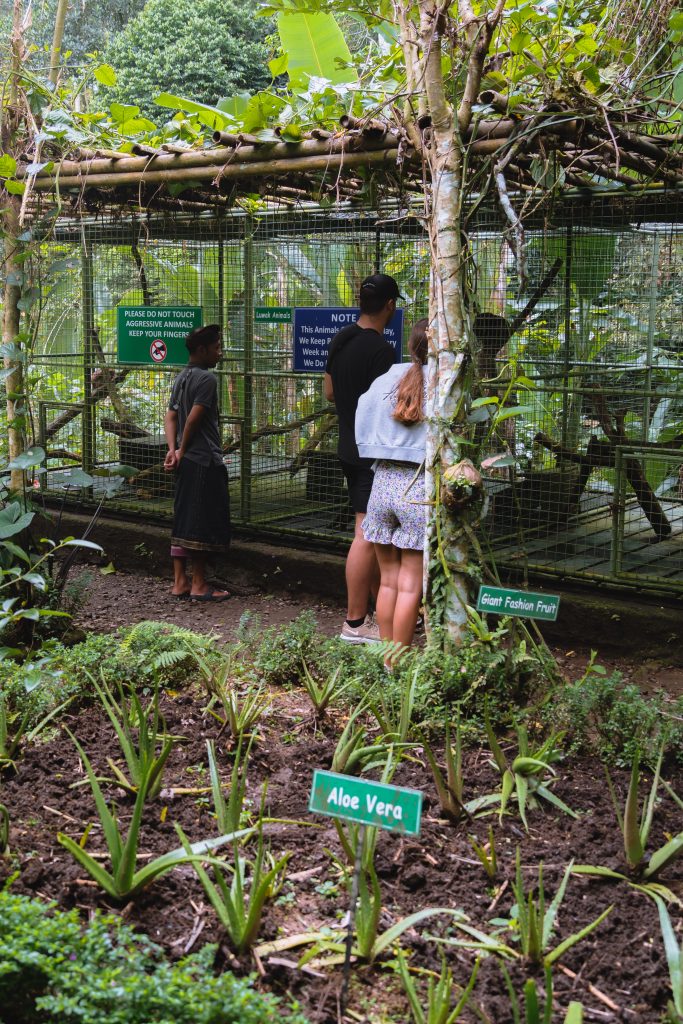
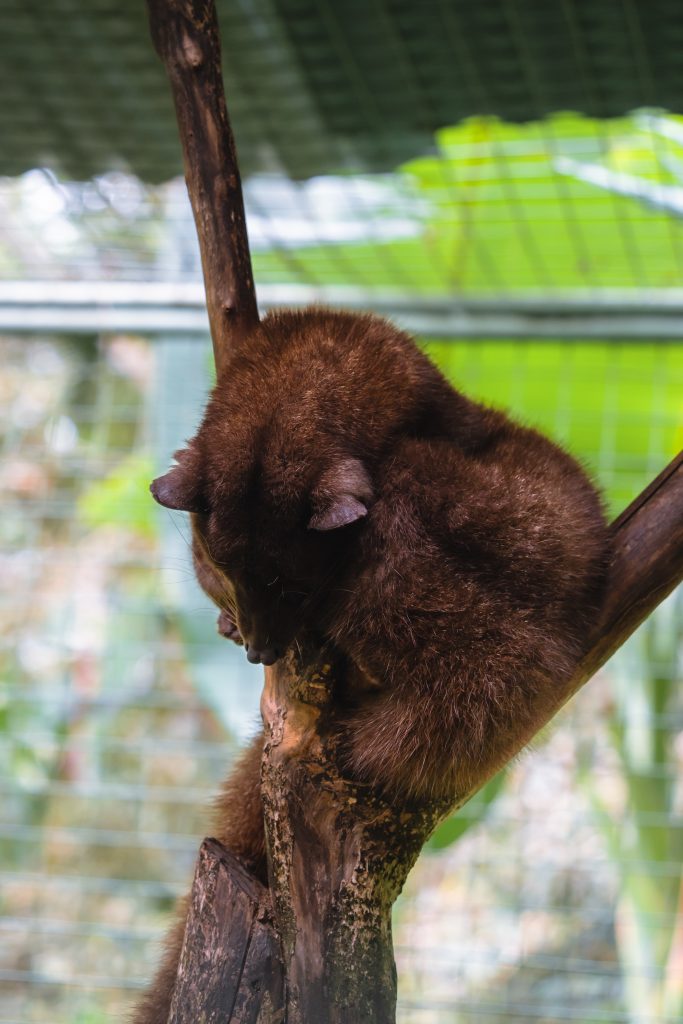
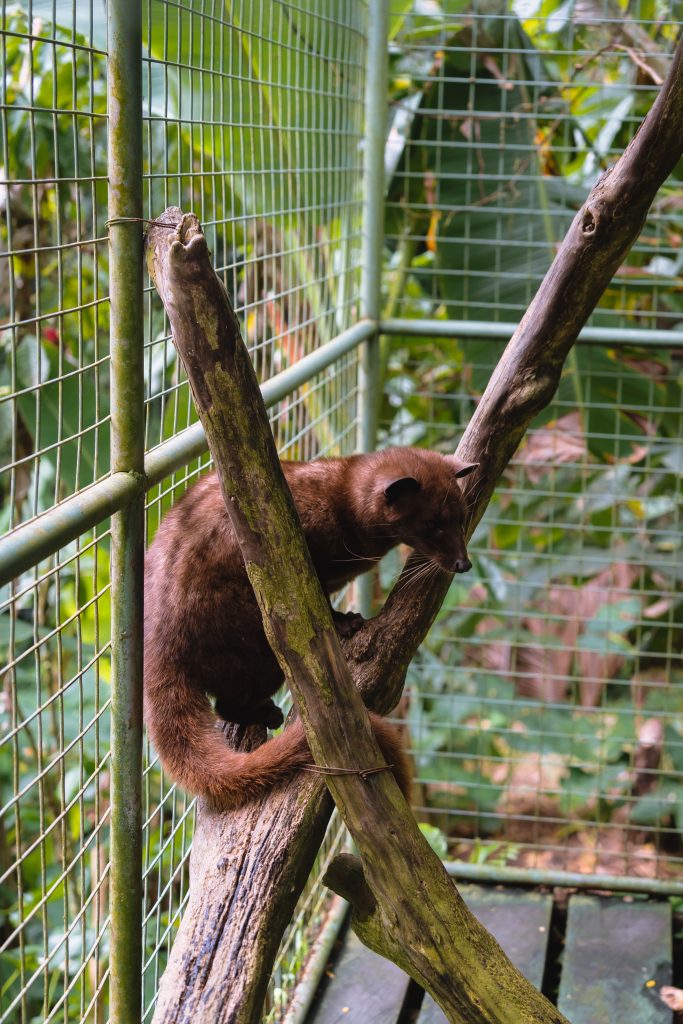
NB: Even though luwak coffee is so popular and unique to Bali, we still recommend visiting a coffee plantation where they do not have luwak coffee. The animals do not look comfortable in the cages they are kept in. The people who work on the plantations say that they take good care of the animals and that they are not always locked up, but that is debatable. Therefore, it is better to choose a coffee plantation without Luwak coffee, or a plantation where they only use feces from wild Luwak cats. If you do end up on a coffee plantation with Luwak cats, don't pay attention to them and above all don't buy the coffee!

You might also like



 English
  Dutch
Dutch
Leave a reply